

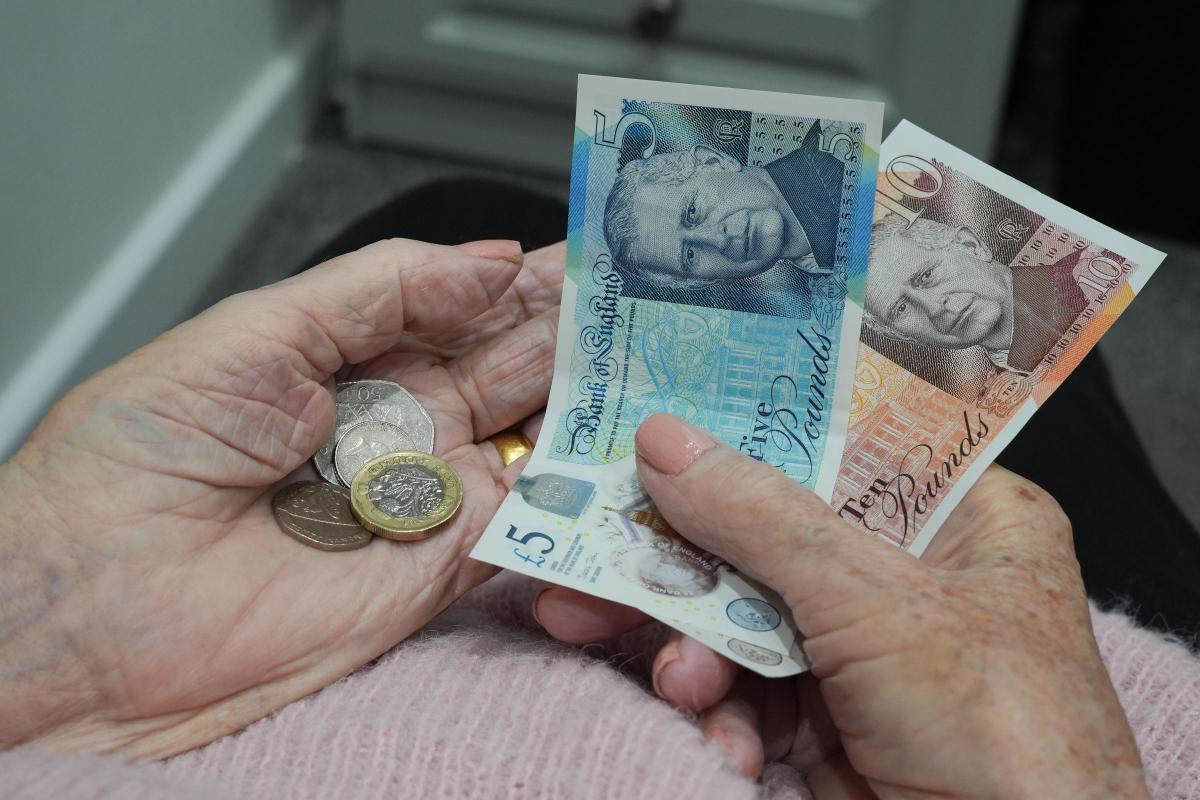
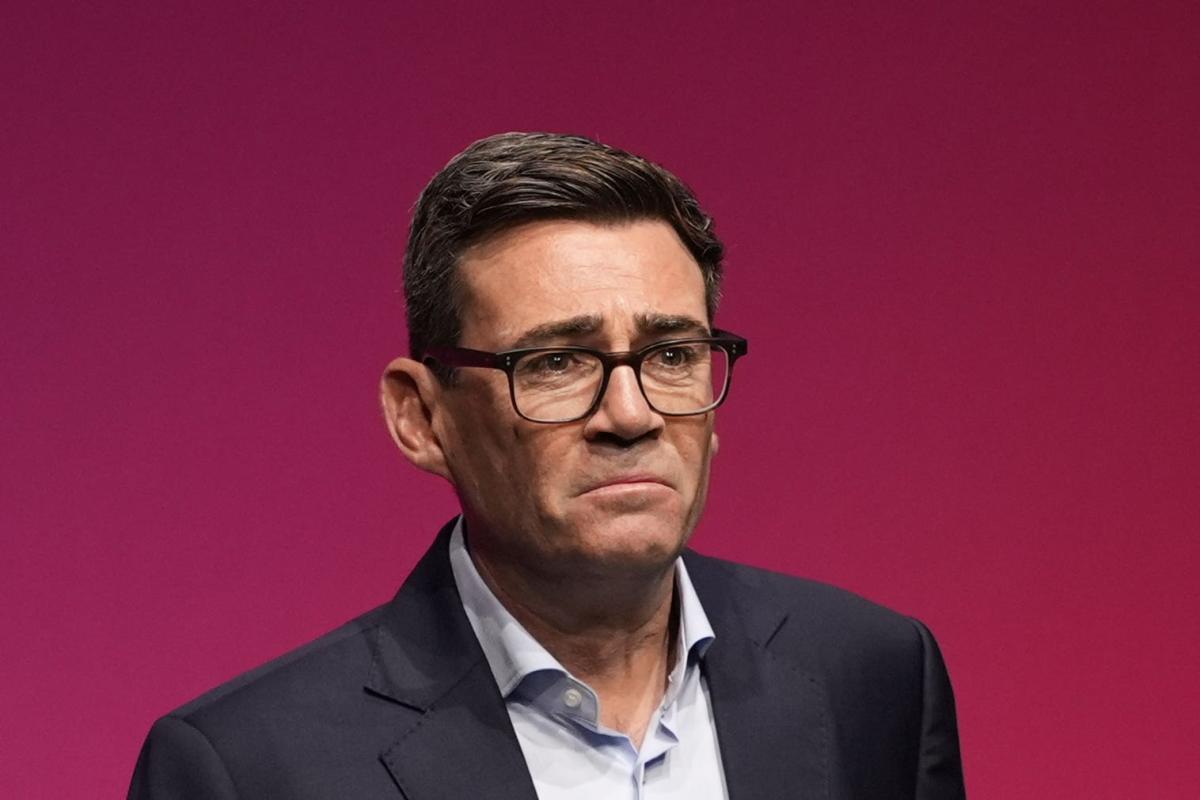

A shake-up of the way increases to the state pension are calculated from 2030 has been unveiled by Prime Minister Andy Burnham as part of plans to help pay for “landmark” social care reforms.
Mr Burnham said pensions would rise either by CPI (Consumer Prices Index) inflation, or a minimum of 2.5% – which would generate “significant savings”, removing the link to average earnings.
Under the plans, the state pension could still rise by more than inflation or 2.5% in some years, to keep its value relative to average worker earnings.
Here is a look at how the triple lock policy currently works and what would change from 2030:
– What is the triple lock?
State pension increases, which take place in the month of April, are currently based on the triple lock policy.
Under the triple lock guarantee, the state pension increases in line with whichever is the highest out of three figures.
These are total earnings growth in the year from May to July of the previous year, CPI inflation in September of the previous year, or 2.5%.
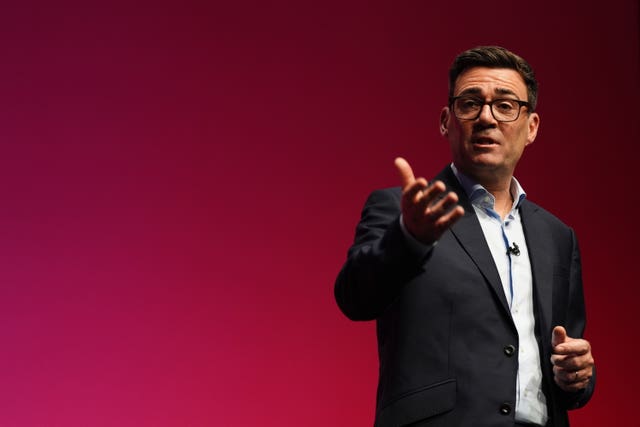
– What has Mr Burnham said will change under Labour plans?
In his first Labour conference speech as the party leader and Prime Minister, Mr Burnham said he will honour the manifesto promise to keep the triple lock unchanged throughout this Parliament.
But he said that in April 2030, this will be adjusted. The state pension will continue to rise every year at least by prices or 2.5%.
He said the change “will generate significant savings which we will use to build up our National Care Service”.
Mr Burnham said the state pension “will hold its value relative to earnings over time so that pensioners will always share in the rising prosperity of the nation”.
– What could this mean for people’s state pensions?
Jonathan Cribb, deputy director at the Institute for Fiscal Studies (IFS), said: “For pensioners, the reform means that state pensions will still rise in real terms over time but more slowly than under the current system, and in the long run their pensions will keep pace with growth in employees’ average earnings.
“While increasing the state pension in line with inflation in years where inflation is high has a rationale – to protect state pensions against high inflation – the minimum 2.5% increase each year remains an arbitrary and potentially costly part of the system.
“Although it no longer permanently ratchets up expenditure, it will still lead to some years – potentially many years – of higher state pension expenditure, most likely in years of low inflation, compared to if this part of the system had been removed.”
– How do pensioners currently benefit from the triple lock?
The policy helps increases in pensioners’ incomes keep pace with the working population and living costs.
The cost-of-living squeeze, with rising bills, has hit many households in recent years – and many pensioners live on fixed incomes which may give little wriggle room in their budgets.
The state pension can be a particularly vital cushion for pensioners living on lower incomes.
According to a report from wealth manager Quilter, for retirees aged 65 to 79 with below-average retirement incomes of £25,000 or less, the state pension provides 57% of retirement income, while for those aged over 80 with below-average retirement incomes it accounts for 54%.
The state pension accounts for nearly a quarter (24%) of income across all retirees, the analysis indicated.
– Why has the triple lock been controversial at times?
In general, the triple lock policy has been part of a wider debate around generational fairness and cost burdens faced by younger generations.
People relying solely on the full new state pension currently look on course to breach the personal tax allowance next year, as recent Office for National Statistics (ONS) figures showed total wage growth, including bonuses, stood at 3.9% in the quarter to July.
While still to be confirmed, and not all the pieces of the triple lock puzzle yet in place, this implies the full new state pension could top £13,000 next year. The personal tax allowance has been frozen at £12,570 since 2021.
However, many pensioners do not receive the full state pension.
The Government has previously said pensioners who are wholly dependent on the new state pension, with no private pension, or the old basic pension, with no increments, will not have to pay tax.
– What is the cost of the state pension?
The IFS has previously said that public spending on the state pension in 2026–27 is expected to be around £154 billion and that the triple lock has increased annual spending on the state pension by around £16 billion, compared with uprating in line with average earnings growth since 2010.
Mr Cribb said: “To give a sense of the scale of possible future savings: if the new policy had been in place since 2011, state pension expenditure this year would £9 billion lower than it is today, more than halving the £16 billion annual cost in 2026-27 of having retained the unreformed triple lock for the last 15 years.”
– What have people said recently about the triple lock?
The leader of trade union Unite said reforming the pensions triple lock to fund social care would be “morally wrong”.
Speaking before Mr Burnham’s speech, Sharon Graham told BBC Radio 4’s Today programme: “Instead of going and trying to pick the pocket of pensioners, we need to move over to the other side of the equation and look at things like wealth taxes, way before we try to stop something like the triple lock.”
In response to Mr Burnham’s announcement, Kate Smith, head of pensions at Aegon, said: “For millions of people, the state pension is the bedrock of retirement income and will continue to be so.
“Increases in earnings will still have a role to play, so pensioners are able to share in the relative prosperity and won’t lose out if UK earnings significantly outperform price increases.
“However, it’s unclear how this will work in practice… We await the detail.”
– What about future pensioners?
Today’s working age population are tomorrow’s pensioners – and concerns have been raised in recent years that many are heading for a retirement income shortfall – potentially making some even more reliant on the state pension.
In May, the Pensions Commission said around 15 million people are thought to be under-saving for their retirement.
Women, low and middle earners, and the self‑employed are among those who could be particularly at risk, according to the commission, which warned the number of people under-saving for later life could reach 19 million without action.
Defined benefit (DB) pensions that guarantee an income in retirement have become more thin on the ground and while millions of people have been brought into workplace pension saving through automatic enrolment, many are not thought to be saving enough. Some groups of people, such as the self-employed, are not included in auto-enrolment.


Share